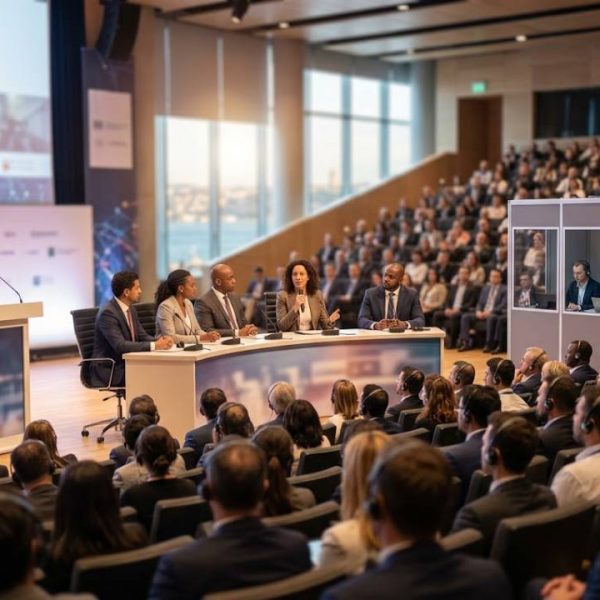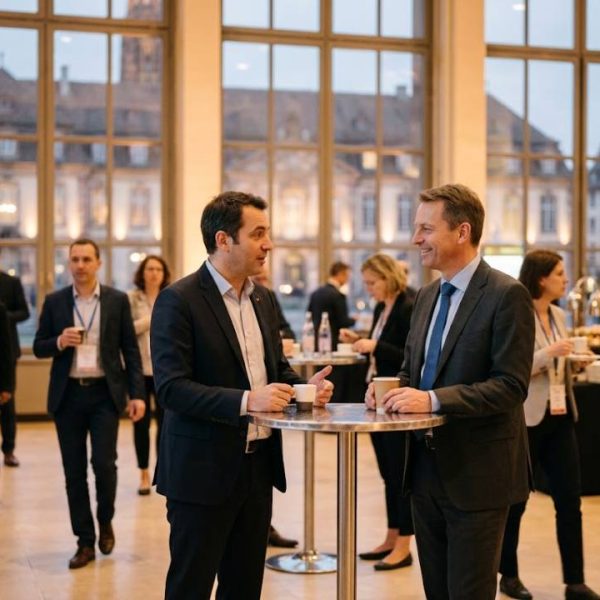
Every year, companies spend large sums sending people to international conferences. Flights, hotels, registration fees, booth space and time away from the office add up quickly. Yet when finance asks what the company actually gained, many teams struggle to give a clear answer beyond a stack of business cards and a few photos on LinkedIn.
The events themselves are not the problem. The difference between a wasted trip and a valuable one usually lies in preparation, cross-cultural awareness and follow-up.
Choose events with a purpose
Not every big name event is worth attending. Before booking, ask three questions. Who will be there? What do we want from them? Can we realistically meet them at this event? A trade association summit with 500 decision-makers in your sector may deliver more than a 50,000-person expo where your target clients are lost in the crowd.
Organisations such as the International Chamber of Commerce host events that bring together business leaders, policymakers and trade experts from many countries. Sector-specific conferences, regional chambers of commerce and trade missions organised by embassies can also offer high-quality contacts.
Prepare before you travel
Most attendees arrive with no plan beyond the agenda. The most effective networkers do the opposite. They study the speaker list, check who else is attending through the event app, and book meetings weeks in advance. Many conferences now offer matchmaking platforms that let attendees request one-to-one meetings.
Preparation also includes materials. A company presentation in English is the minimum. For events in France, Germany or other non-English markets, local-language materials make a real difference.
Presenting to French-speaking partners
France, Belgium, Switzerland, Quebec and much of West Africa do business in French. Even when contacts speak English well, a brochure, pitch deck or proposal in French signals respect and seriousness. Companies targeting these markets often use professional french translation services to adapt their materials, not just translate them, so the tone feels natural to a French reader.
Meeting German buyers and partners
Germany hosts more leading international trade fairs than almost any other country, from Hannover Messe to Medica in Düsseldorf and Bauma in Munich. German buyers tend to appreciate detailed technical information, precise specifications and clear terms. Well-prepared documentation from german translation services helps an exporter come across as a reliable, serious supplier.
Conferences are one touchpoint in a wider multilingual business effort. To keep messaging consistent before and after each event, many firms centralise their content with professional business translation services covering presentations, brochures, follow-up emails and website copy. That way every prospect meets the same polished story whether they first encounter the company on a trade fair floor or on its homepage months later. The investment pays off in fewer duplicated efforts and a stronger international brand.
Networking across cultures
Networking styles vary widely. In the United States, attendees often introduce themselves quickly, pitch directly and move on. In Japan, business cards are exchanged with ceremony and relationships build slowly. In much of the Middle East and Latin America, personal rapport comes before business talk. In Germany and the Netherlands, directness is valued, while in France a good conversation over lunch may matter more than a polished pitch.
Adapting your style is not about pretending to be someone else. It is about making others comfortable enough to do business with you.
A few universal habits help:
- Learn a greeting and a thank you in the host country's language.
- Listen more than you talk, especially in the first conversation.
- Write notes on each contact right after you meet them.
- Avoid humour that depends on wordplay or local references.
- Respect local customs around business cards, meals and gifts.
Make sessions work for you
Keynotes are inspiring, but the real value often comes from smaller panels and workshops where you can ask questions and meet speakers afterwards. If you are speaking yourself, keep slides simple and avoid idioms. Many people in the audience will be listening in their second or third language, and some may be using interpretation or live captions.
Follow up quickly and personally
Studies of trade fair performance consistently show that many leads are never followed up. The first week after an event is critical. A personalised message that refers to your conversation, ideally in the contact's own language, stands out from the flood of generic emails.
Teams that attend several international events each year often manage their multilingual follow-up materials centrally. Using translation workflow management software, they keep templates, product descriptions and presentations available in every language they need, updated in one place and ready to send the moment the event ends.
Measure what matters
To justify the investment, define success before the event. Useful measures include the number of qualified meetings held, proposals sent within a month, partnerships signed within a year and the revenue that can be traced back to event contacts. Over time, this data shows which conferences deserve your budget and which ones can be dropped.
Virtual and hybrid options
Since the pandemic, many conferences offer hybrid formats. Virtual attendance is cheaper and can work well for learning, but it rarely replaces the trust built in face-to-face meetings. A balanced approach is to attend key events in person and follow others online.
The bottom line
International conferences remain one of the best ways to meet partners, clients and investors from around the world. They reward those who come prepared, adapt to different cultures and follow up in a way that respects each contact's language and expectations. Treat every conference as the start of a relationship, not the end of a trip.