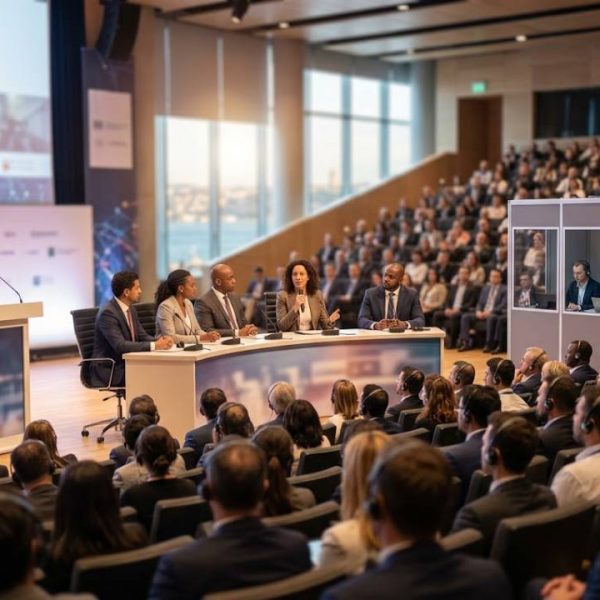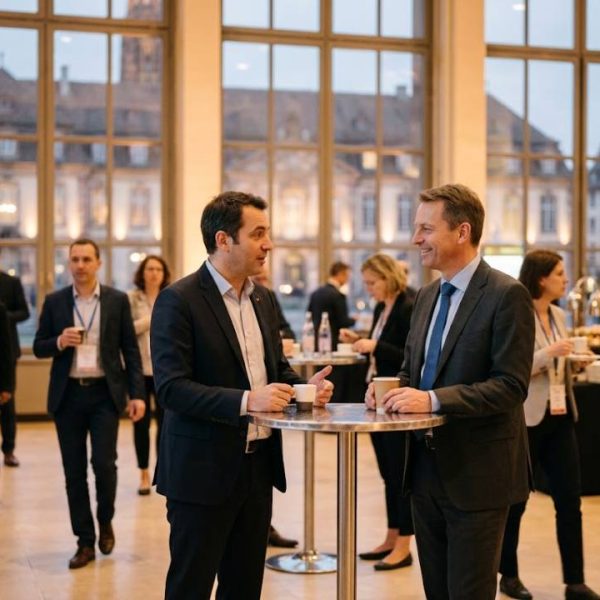
Every year, thousands of ambitious entrepreneurs, executives, and innovators cross borders to join high-level gatherings that shape the future of commerce, technology, and leadership. These events are where deals are signed, trends are set, and long-term partnerships are forged. For companies serious about scaling internationally, choosing the right events to attend—and preparing for them strategically—can be a defining factor in global success.
One of the most overlooked success factors when attending international events is clear, accurate communication. From pitch decks and product manuals to contracts and marketing materials, everything must be perfectly understood in multiple languages. That’s where official translation services become mission-critical, turning language barriers into bridges and ensuring that your brand speaks with authority and precision in every market.
1. World Economic Forum Annual Meeting – Davos, Switzerland
The World Economic Forum (WEF) in Davos is arguably the most influential global gathering for leaders in business, government, academia, and civil society. Attendance is highly selective, but for those who make it into the inner circle, Davos offers unmatched access to decision-makers and visionaries shaping global economic policy.
Sessions span topics such as sustainable growth, digital transformation, climate strategy, and the future of work. High-level networking events, private roundtables, and bilateral meetings are where many of the most important conversations actually happen. For businesses seeking partnerships with multinational corporations, governments, or NGOs, Davos is a strategic goldmine.
To gain real value at Davos, companies should arrive with thoroughly prepared multilingual briefing documents, policy papers, and executive summaries. Precision in language can influence whether ideas and proposals are taken seriously by global stakeholders.
2. Web Summit – Lisbon, Portugal
Web Summit has grown from a tech conference into one of the world’s major business and innovation gatherings, attracting startups, investors, and global brands from every continent. It’s particularly powerful for companies in SaaS, fintech, AI, e-commerce, and digital media, but its impact extends far beyond the technology sector.
Startups pitch to international venture capitalists, scaling companies explore new markets, and established brands announce partnerships and product launches. The exhibition floor and networking areas are ideal for discovering distributors, collaborators, and early adopters.
Companies aiming to capture the attention of a global crowd should ensure their pitch decks, product sheets, and demo content are accessible in the key languages of their target regions. Localized messaging tailored to European, Asian, or Latin American audiences can make the difference between casual interest and serious follow-up.
3. CES – Las Vegas, USA
CES (Consumer Electronics Show) is the premier global stage for showcasing next-generation consumer technology. From large electronics manufacturers to ambitious hardware startups, a presence at CES signals that a company is ready to play in the global arena.
Exhibitors meet retail buyers, distributors, investors, and media from around the world. International coverage is extensive, and products that stand out here can secure rapid expansion into numerous markets.
Because CES attracts attendees from Asia, Europe, the Middle East, and beyond, multilingual product documentation, packaging copy, and technical specifications are essential. Accurate and culturally sensitive translations help prevent misunderstandings, regulatory delays, or support issues once products enter foreign markets.
4. Mobile World Congress – Barcelona, Spain
Mobile World Congress (MWC) is the key global event for mobile technology, telecom operators, device manufacturers, and digital infrastructure providers. It is where major players unveil new technologies related to 5G, IoT, cloud, and connectivity.
MWC is ideal for businesses seeking to negotiate carrier deals, forge technology alliances, or explore smart city and enterprise mobility projects. The event spans multiple halls and pavilions dedicated to specific regions and sectors, offering numerous opportunities to connect with international stakeholders.
Business proposals, technical white papers, and partnership agreements presented at MWC should be available in the languages of your target operators and integrators to speed up negotiations and avoid costly misinterpretations.
5. Hannover Messe – Hannover, Germany
Hannover Messe is one of the world’s largest industrial trade fairs, covering automation, energy solutions, industrial IT, and advanced manufacturing. For firms operating in Industry 4.0, robotics, and industrial engineering, this event is a strategic gateway to global industrial markets.
Attendees include engineers, procurement specialists, plant managers, and government representatives looking for advanced manufacturing solutions and industrial partnerships. Exhibitors often enter new distribution channels and sign long-term supply agreements here.
Given the highly technical nature of the conversations, precise translations of manuals, catalogues, safety information, and technical drawings are essential. For industrial contracts, legally-sound multilingual documentation provides clarity and reduces risk for all parties.
6. World Business Forum – Multiple Global Cities
The World Business Forum brings together renowned economists, CEOs, authors, and thought leaders in major cities such as New York, Madrid, and Milan. The focus is on leadership, innovation, strategy, and organizational transformation.
While not a trade fair, it is a powerful platform for executives seeking fresh perspectives on global trends and leadership practices. Networking sessions, VIP gatherings, and side events often spark strategic collaborations and advisory relationships.
Organizations sending regional leaders or multinational teams can increase impact by sharing translated summaries, leadership frameworks, and internal communication materials afterward, ensuring that insights from the forum cascade across all locations and language groups.
7. Collision – Toronto, Canada
Collision is often referred to as “North America’s fastest-growing tech conference.” It pulls in startups, enterprise tech teams, corporate innovators, and investors from across the globe, with a strong emphasis on North American and European market connections.
The event is known for its accessible format, pitch competitions, mentoring sessions, and media exposure. For early-stage companies, Collision can open doors to both funding and critical partnerships for North American expansion.
To turn conversations into cross-border collaborations, startups should prioritize clear, localized versions of their investor decks, one-pagers, and product roadmaps. Investors and partners from different linguistic backgrounds appreciate documentation they can review and share internally in their own language.
8. SelectUSA Investment Summit – Washington, D.C., USA
For companies aiming to expand or relocate operations to the United States, the SelectUSA Investment Summit is a unique, highly targeted event. It connects foreign business leaders with U.S. state and local economic development organizations, service providers, and federal agencies.
Attendees explore incentives, regulations, and location options for manufacturing plants, R&D centers, and regional headquarters. The environment is structured to fast-track investment decisions and facilitate introductions to the right public and private partners.
Because investment decisions hinge on detailed, often complex information, companies benefit from accurately translated financial plans, legal documents, and corporate presentations. Clarity in language builds institutional trust and accelerates due diligence processes.
Turning Global Events into Measurable Business Growth
Attending major international conferences is only the first step. The real competitive edge comes from preparation and follow-through. Businesses that enter these events with professionally localized branding, contracts, sales collateral, and digital content are better positioned to turn conversations into confirmed deals.
When your proposals, technical documents, and marketing materials read as if they were originally written in the target language, you signal professionalism, respect, and reliability. This not only helps avoid misunderstandings but also shortens sales cycles and improves negotiation outcomes.
As you build your event calendar—whether your priorities are technology showcases, investment summits, or leadership forums—treat language as a strategic asset, not an afterthought. With the right linguistic support in place, every handshake, presentation, and follow-up email can work harder for your global growth objectives.